Unveiling The Wonders Of Seismic Wire: Everything You Need To Know
In the world of geology and seismology, seismic wire plays a crucial role in detecting and monitoring seismic activity. Also known as geophones, these specialized wires are used to pick up vibrations and movements in the Earth’s crust, providing valuable data and insights to researchers and scientists. Let’s delve deeper into the fascinating world of seismic wire and explore its significance in understanding the dynamics of our planet.
seismic wire is essentially a thin cable made of highly conductive materials that are capable of transmitting signals. These wires are equipped with sensors called geophones, which are sensitive devices that can detect even the slightest vibrations in the ground. When seismic waves generated by earthquakes or other geological events pass through the Earth’s crust, they cause tiny movements that are captured by the geophones attached to the seismic wire.
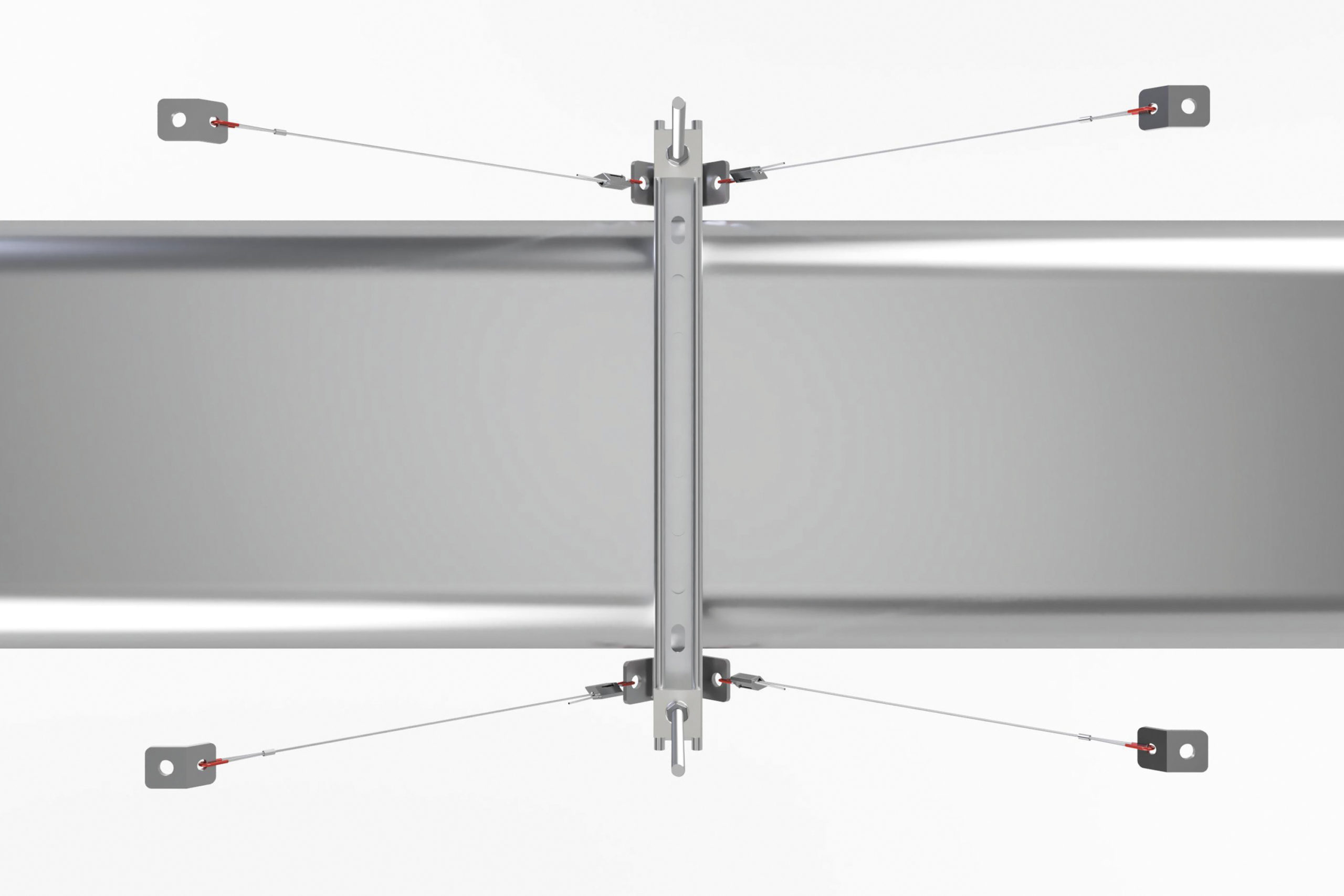
One of the key applications of seismic wire is in seismic surveys, which are conducted to map the subsurface geology and identify potential oil and gas reserves. By deploying an array of geophones connected by seismic wire, researchers can create detailed images of the Earth’s interior and pinpoint areas of interest for further exploration. This technology has revolutionized the way we understand the structure of the Earth and has significantly contributed to the discovery of valuable natural resources.
seismic wire is also widely used in the field of earthquake monitoring and early warning systems. By installing networks of geophones connected by seismic wire in seismically active regions, scientists can detect and analyze seismic activity in real time. This allows them to issue timely warnings to the public and emergency responders, potentially saving lives and reducing the impact of earthquakes on infrastructure and communities.
Another important application of seismic wire is in the field of environmental monitoring. By analyzing the vibrations picked up by geophones connected to seismic wire, researchers can study the effects of human activities such as mining, construction, and drilling on the Earth’s crust. This data can help regulatory agencies make informed decisions about land use planning and resource management to minimize the environmental impact of these activities.
The development of advanced technologies such as fiber-optic seismic wire has further enhanced the capabilities of seismic monitoring systems. Unlike traditional wire-based systems, fiber-optic seismic wire uses optical fibers to transmit signals, allowing for faster data transmission and higher resolution imaging. This cutting-edge technology is revolutionizing the way we monitor seismic activity and is opening up new possibilities for research and exploration.
seismic wire is not only used on land but also plays a critical role in marine seismology. By deploying underwater cables equipped with geophones, researchers can study seismic activity beneath the ocean floor and gain valuable insights into tectonic processes and underwater geology. This technology has broadened our understanding of the Earth’s structure and has contributed to discoveries such as hydrothermal vents and underwater volcanoes.
In conclusion, seismic wire is a versatile and indispensable tool in the field of geology and seismology. Its ability to detect and monitor seismic activity has revolutionized our understanding of the Earth’s dynamic processes and has opened up new avenues for research and exploration. Whether used in seismic surveys, earthquake monitoring, or environmental studies, seismic wire continues to play a crucial role in advancing our knowledge of the planet we call home.